1992 Reels- Clearing the Decks

In 1992 I filled several tapes with improvisations and experiments on a two-track reel-to-reel machine from 1967. I had a Yamaha CS5, a Casio SK-10, and an Arion analogue delay pedal, that was all. I was studying electronics at college and working part-time in Roches Stores supermarket. So not many choices to make, and this is a good thing…

Brian Eno once observed that guitar players tend to produce more interesting music than synthesizer players because you can exhaust the options on a guitar in about a minute, after which you have no choice but to start making aesthetic decisions. These budget keyboards I had were not much more… expansive… than a guitar, so the decisions came quickly.

Thirty years later I’ve separated the stems and remixed the recordings. For the first time they sound the way I imagined them, the way I could hear them in my head while making them. It’s been so much fun revisiting them – teenager me would’ve been amazed by all this new tech and the possibilities it creates!

These six pieces are a document of a particular moment in my past. I am releasing them now as a way of letting that moment exist in the world rather than being stored in silence on a shelf.

Note: Each track has a photograph taken around the same time.

Arion Sad One
Just the CS-5 through an echo, two tracks. I had just got this analogue echo pedal, the cheapest one in the shop. A lovely sound. Later I traded it along with an Arion SCH-1 chorus pedal for a used Alesis Microverb III. All these are classic effects today, each of which I have some plugin that emulates them precisely.
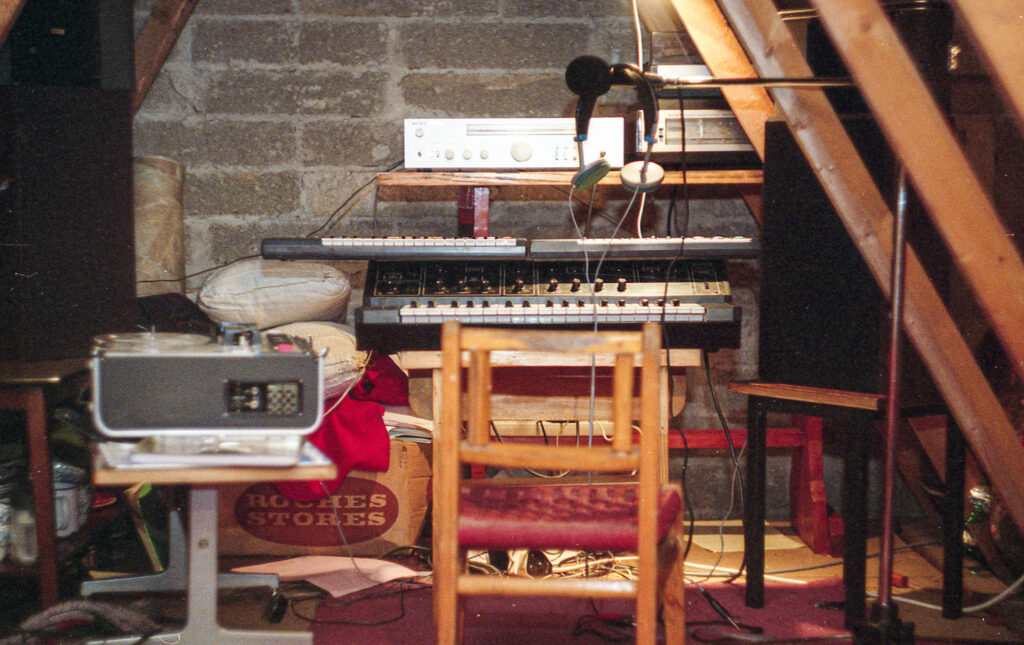
Live Rate Triggered Spring
This has the most post-production with stems and edits. It was a 7 minute improv. I hear two layered sounds on the slow lead sound, not sure how I did that LOL. Track one on the tape is the Casio drums through the CS5 with analogue echo. Track 2 is synth bass and sampler played live.
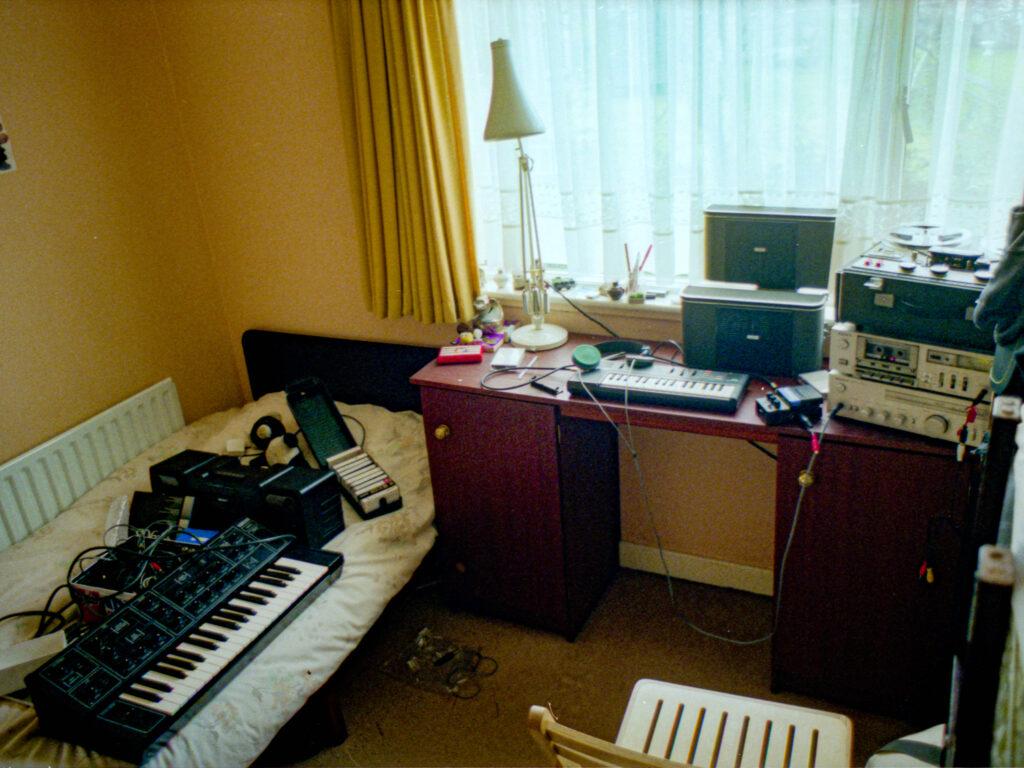
In Excess
Using the LFO on the CS5 to create a pusling bass rhythm with the envelope release making a kind of echo, on track one of the tape. Sample of Michael Hutchence from INXS on track two. In post I synchronised the beat sampled on the Casio to this recording, that’s also from INXS. The Casio only had 0.7 seconds of memory, so usually a full beat would not fit. Plus there was no control over the loop, it always goes from beginning to end. For this I sampled pieces of the beat a few times til I got an interesting bit, then played it doubled an octave lower to get an intersting polyrythm. Later I used this beat on my track For Gaza.
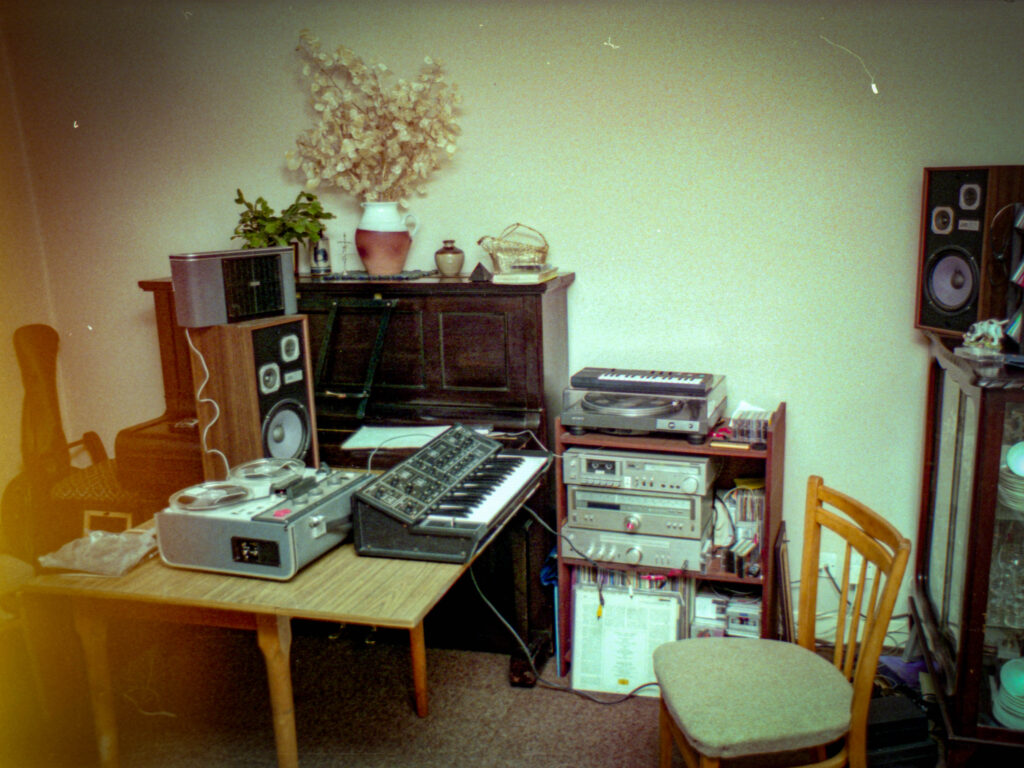
Crest Drone
The CS5 has a fast LFO so you can do audio rate modulation. I set up a nice drone and fed that out through a speaker with a guitar lying on top of it. This needed a lot of eq in post to bring out the sound, now it is as I imagined it would be 🙂
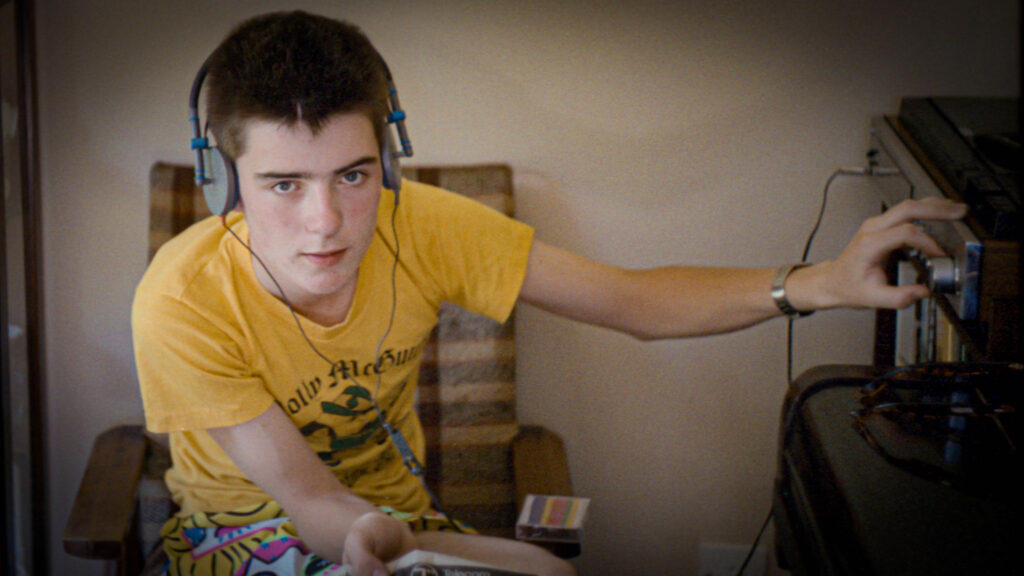
Bass 1
I loved the heaviness of this beat and tried to make a bass that complemented it with the CS5, sweeping the filter along with the changes to give it dynamics. These kinds of things are always fun to make, and often get incorporated into larger pieces.
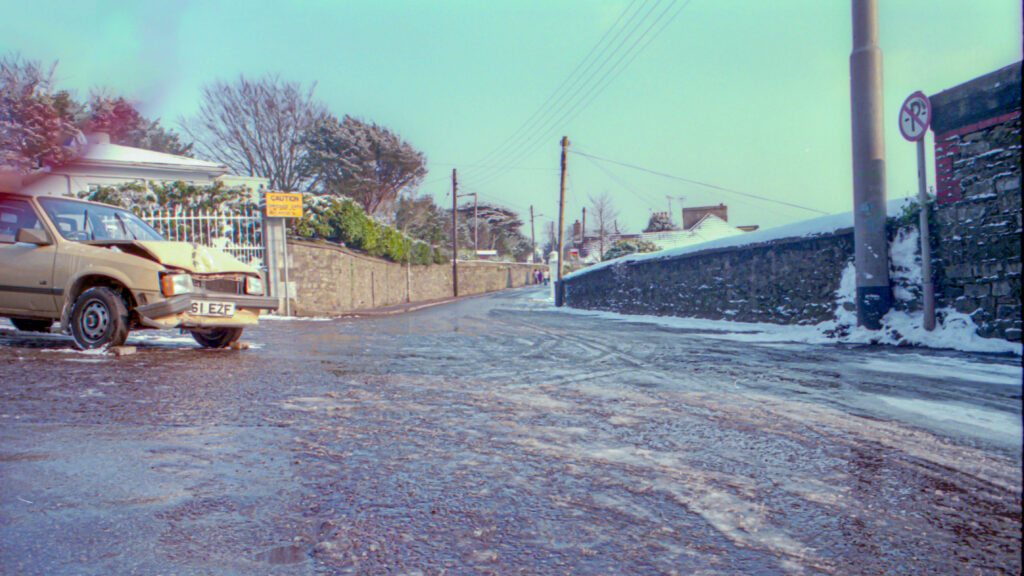
Death of a Buffalo
An outcome of a session where we got all of our gear together to see if we could make something epic. We ended up shouting into the samplers and trying to make the most gross sounds we could manage. This is in a stuffy attic in the summer heat!
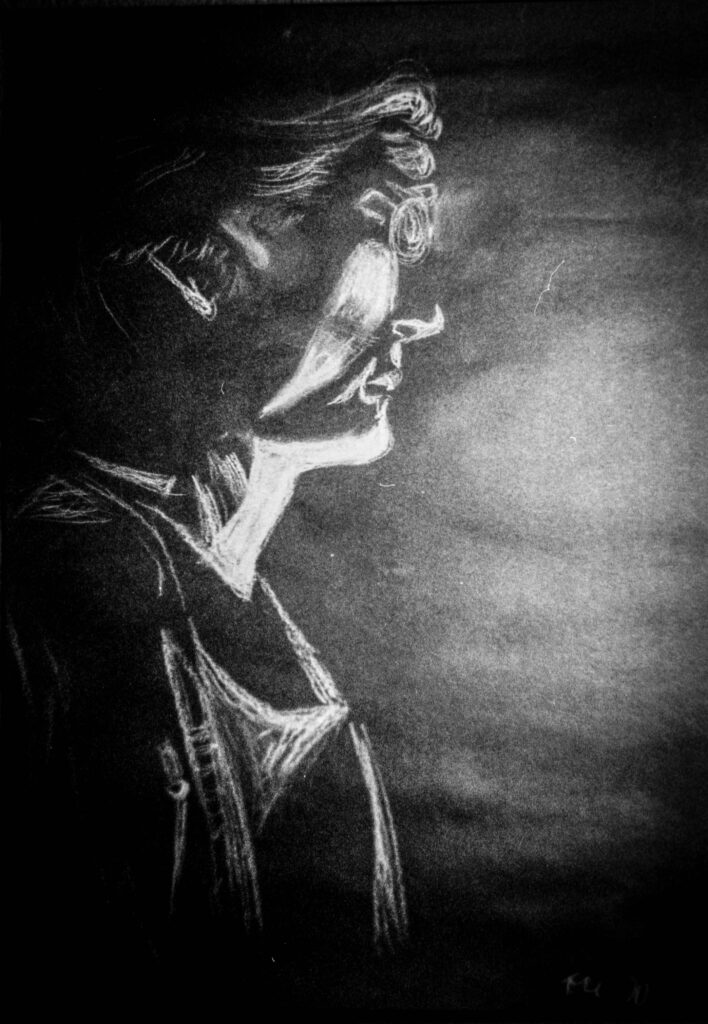
James Perrett transferred the tapes for me in 2006 using an 8 track. I thought this would be best, to transfer both “sides” of the two track as if it was a four track, to help deal with the crosstalk and print through. Here is his deck in 2026:
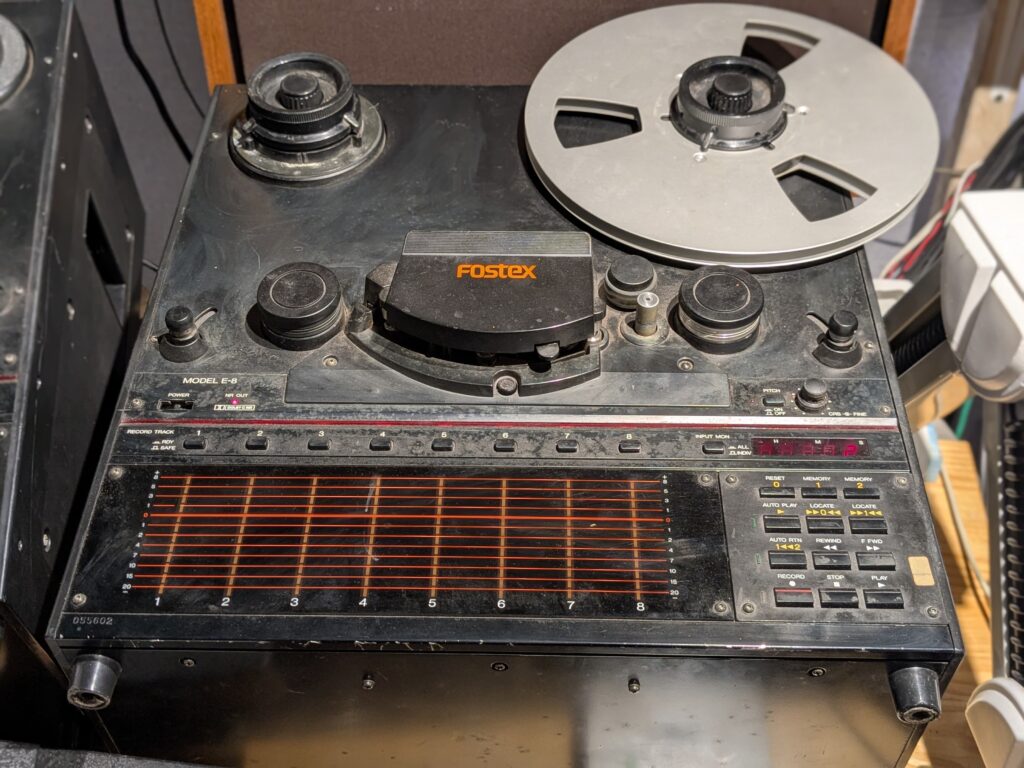
I don’t have the Sony deck any more. You can see it in the photos when I used it. Here is a mice photo from the Reel to Reel Tech website.
Yamaha CP80

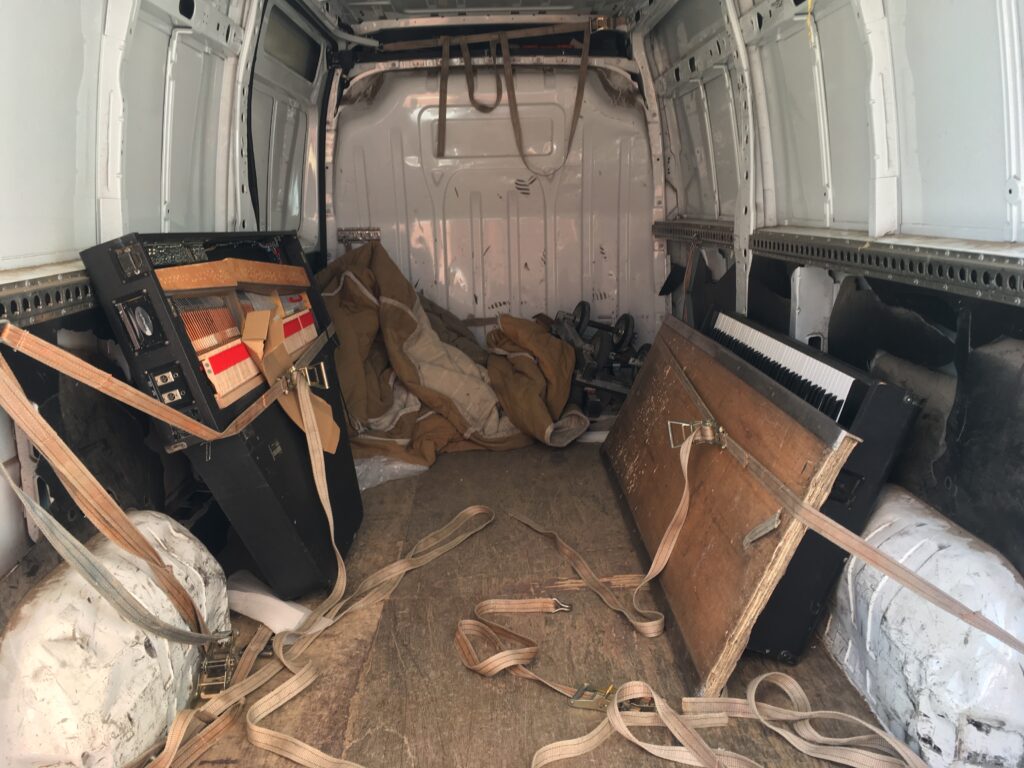
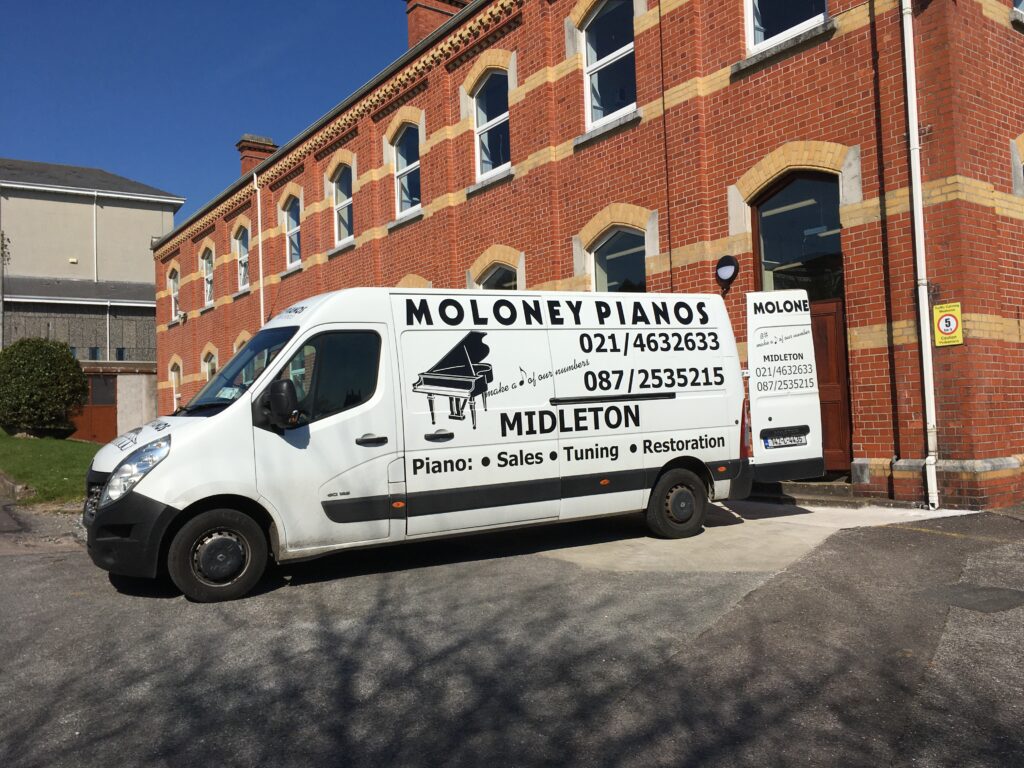
I had a chance to liberate a Yamaha CP80 from a school in Cork who were not using it. My friends at Moloney Pianos loaned me their van, isn’t it cool?

Don’t do this…

The first stumbling block was that the flight cases were missing. The piano comes in two parts, that’s the harp on the left and the keyboard on the right. I only used one strap for the harp, so it slipped on the journey home with a very loud bang! Thankfully these pianos are incredibly well made, so there was no damage apart from a small tear in the faux leather finish (known as tolex in the US).

How NOT to move a CP80!

A dream I didn’t know I had

A long time ago I had a conversation with Jenny Lindfors about what our favourite electric piano was. She argued for the Fender Rhodes, I argued for the Wurlitzer EP200. Not only was she wrong (the Wurlitzer has the superior timbre, sorry Jenny just kidding!) but I was in a way denying myself. My ultimate favourite is the Yamaha CP80. But these are bigger, rarer and more expensive than the others. I just never dreamed I could own one.

What does it sound like?

It was the instrument favoured by Prince, Peter Gabriel, Tony Banks, Brian Ferry, U2 and Simple Minds. For the classic album So, Peter Gabriel really only had the Fairlight, the Prophet 5 and the CP 80, with occasional Yamaha CS80. If you listen closely you will hear that an awful lot of the sounds on the record are CP80 with a lot of effects, particularly things that sound like bright electric guitars, bells, Gamelan and tuned percussion; as well as regular piano. Unlike the Rhodes and Wurlitzer, the CP is a chameleon.

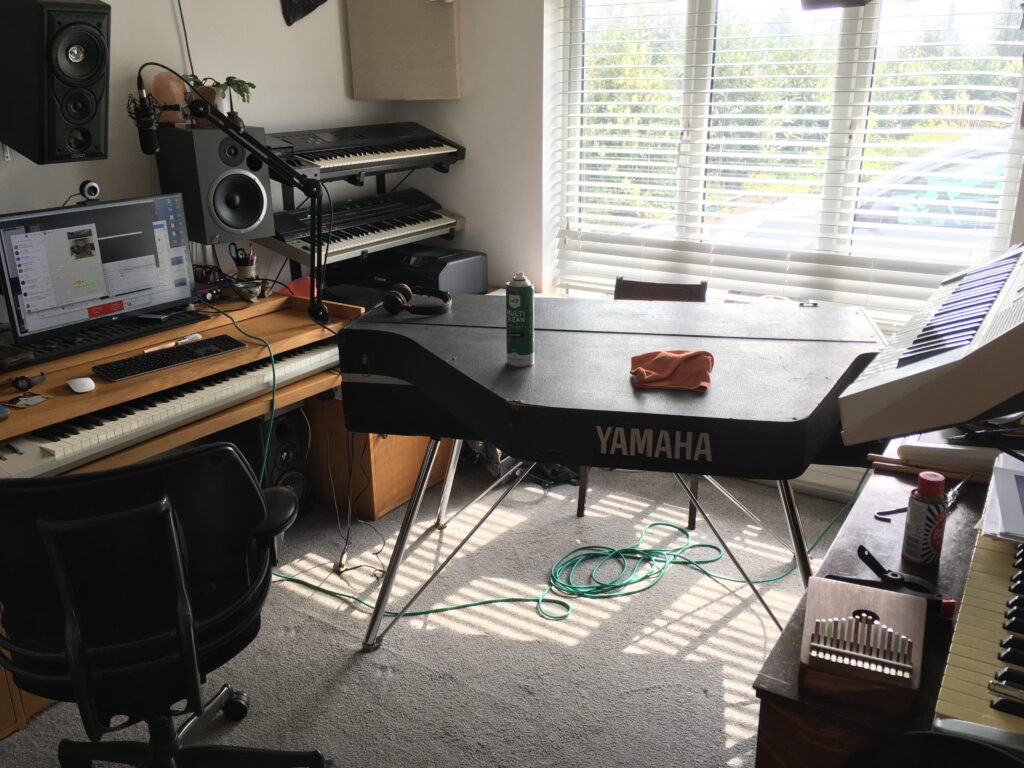
The CP quickly assembled in the studio

Careful, it’s heavy!

So I got it in to the studio, and with the help of a friend lifted the harp onto the keyboard. The brochure claims this is easy- it is not. The harp weighs over 60kg, and the hinges you must attach it to are very small. Don’t attempt it before both people are fully aware of how the hinges attach!

Getting started

First thing was to clean off the mould and dust that had built up on the case and keys. This was easy, using Tec7 foam cleaner and elbow grease. It became apparent that someone had used some kind of solvent based leather cleaner on it in the past, this made an unpleasant smell for a while but this was thoroughly removed with the Tec7.

Repairing the Power Supply

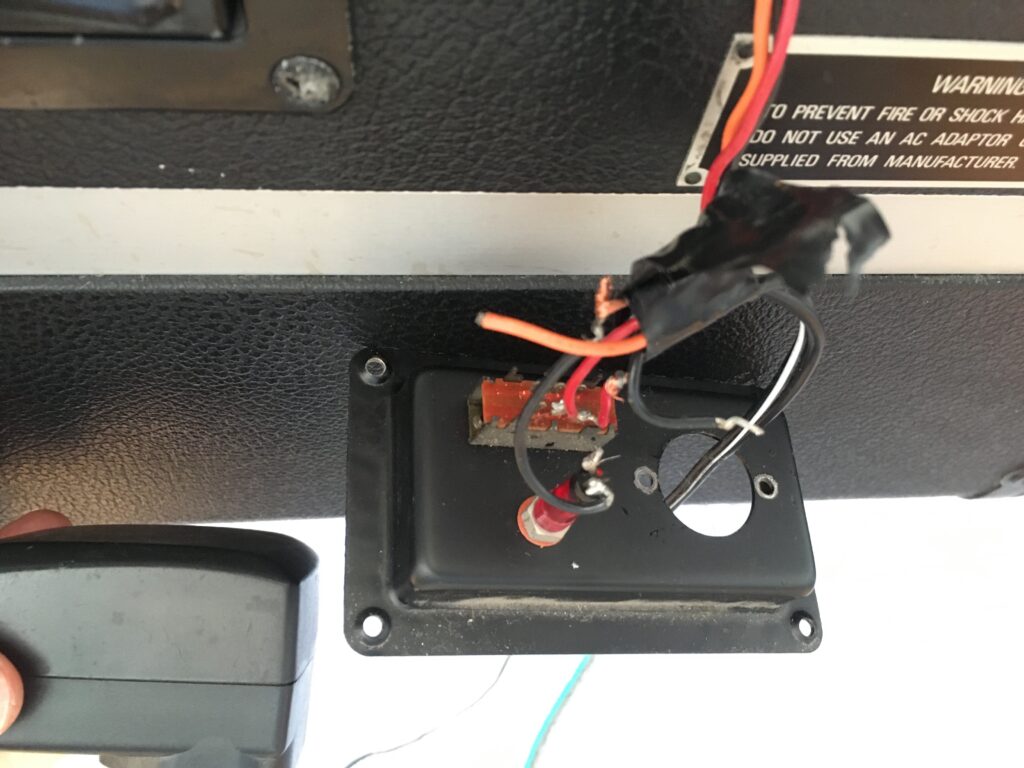
Someone did a messy job “converting” it to 230V. Incredibly, they decided to remove the XLR power connector and twist on the bare wires from the new PSU. There was not enough space for the rest of the power harness so some wires had to be lengthened and soldered back. At least they used a good quality transformer!

Working on the pre-amplifier

It was apparent that the smoothing capacitor was underperforming, this was confirmed by removing it and testing. I replaced it immediately. I suspect that some of the capacitors in the audio path may also need replacing. The output seems to be relatively dull sounding. I plan to test this observation by bypassing the pre-amp and doing an AB test with a split signal (possible because the impedances are so high). The pre-amp is incredibly well designed, it is all discrete with transformers for the balanced outputs. There are only two ICs, these are to control the tremolo so they are not in the audio path as far as I can tell. It is very very clean sounding.

Tuning it…

I spent a couple of days trying to tune it myself. It’s not as hard as a regular piano, and Yamaha even list the exact pitches in a table so you can do the stretch curve correctly. Even still, this is best done by an experienced piano tuner! I like to think I made his job a little easier by getting the pitch a bit closer to concert 🙂

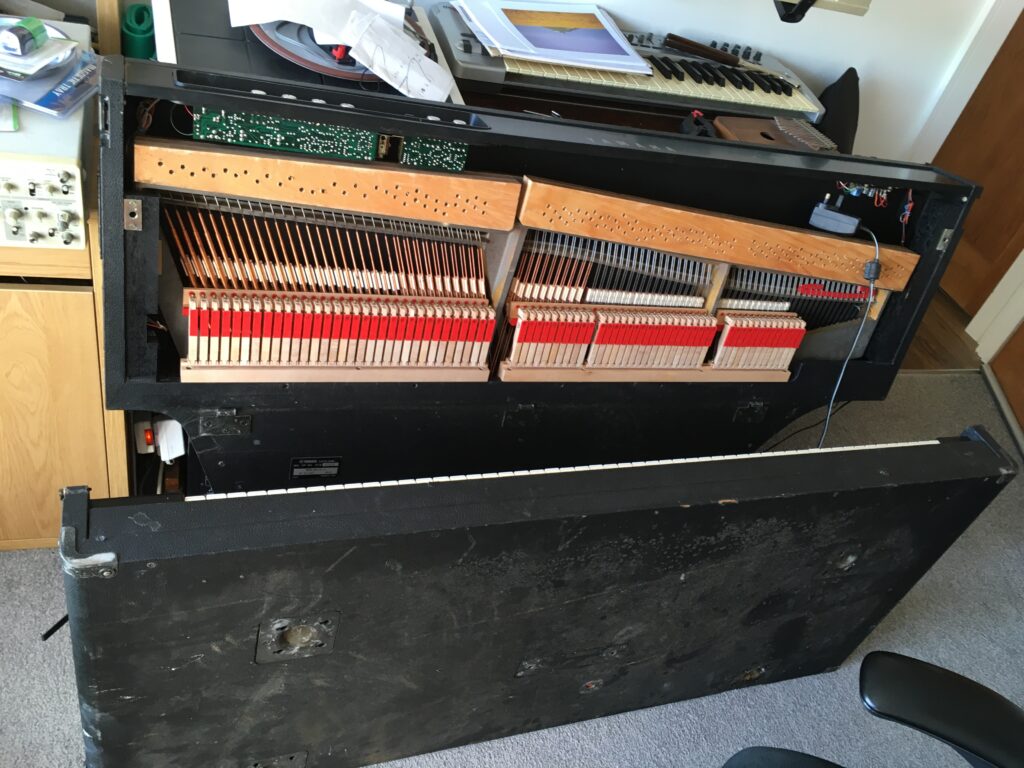
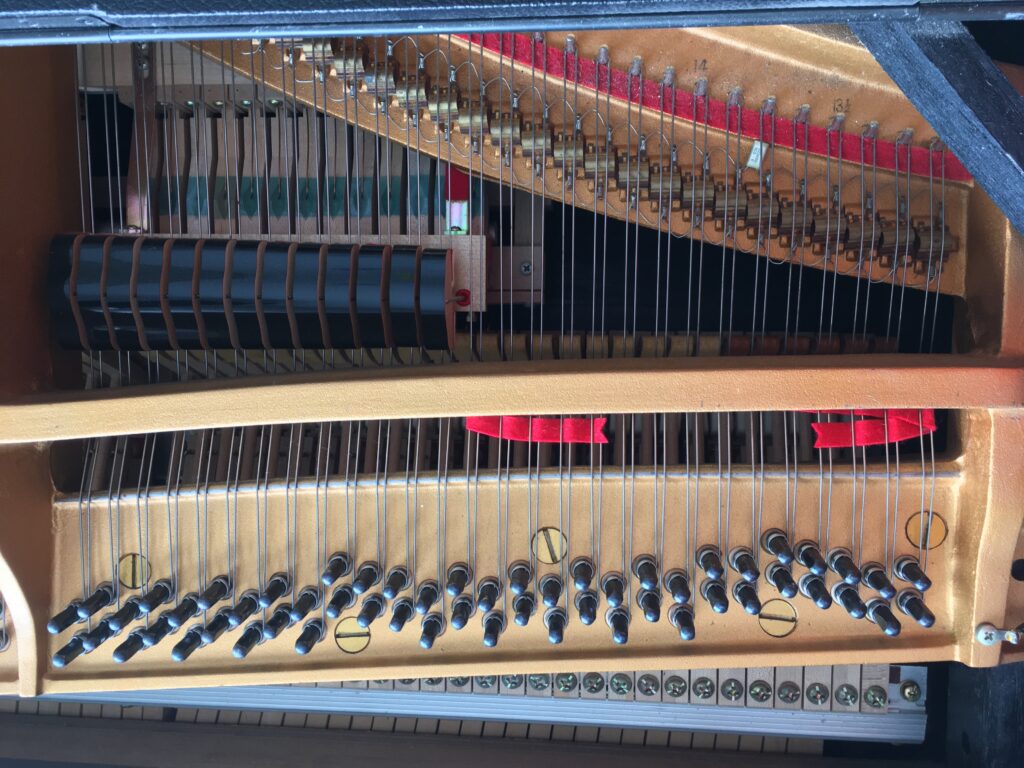
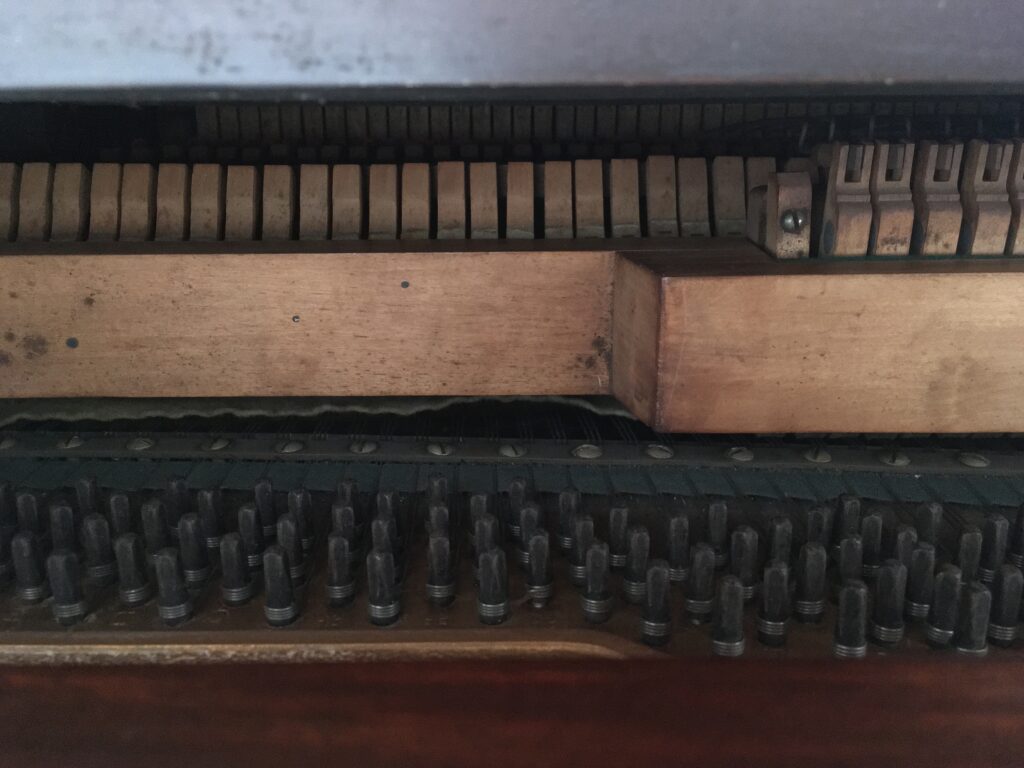
The sustain pedal works by lifting these dampers

The dampers are those black things. When you press the sustain pedal, it lifts them off the strings so they are not damped, and will sustain. There are no dampers on the top 14 keys- this is normal for a grand piano (that’s the CP on the left). On a regular upright, there are no dampers for the top two octaves (right).

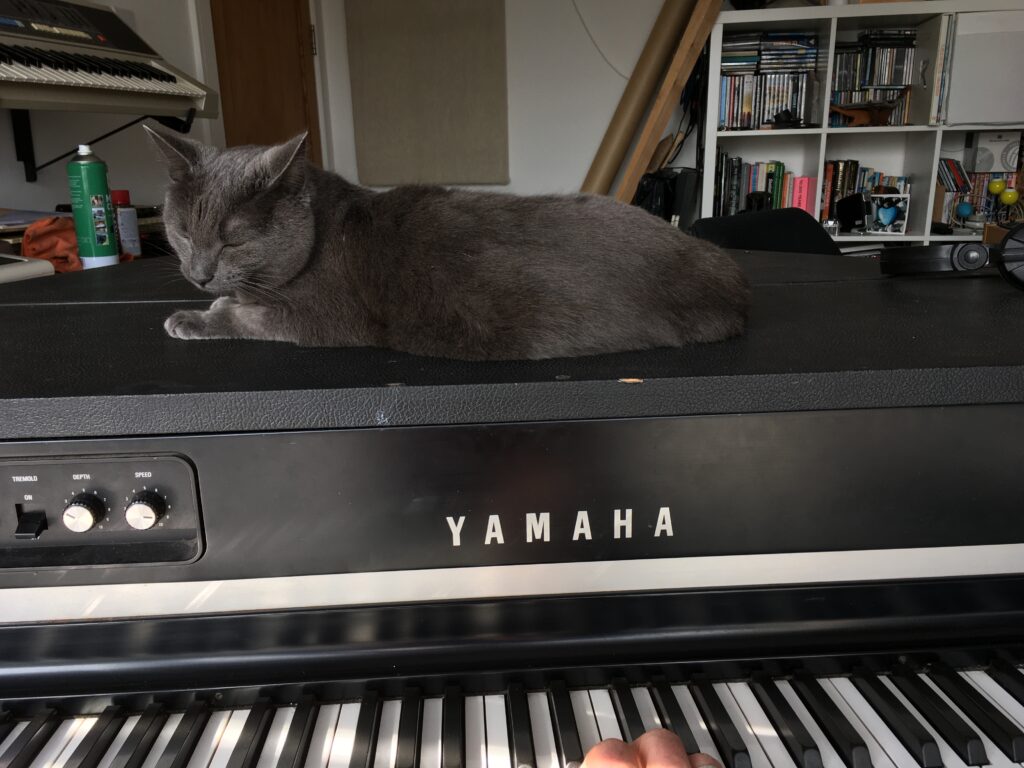
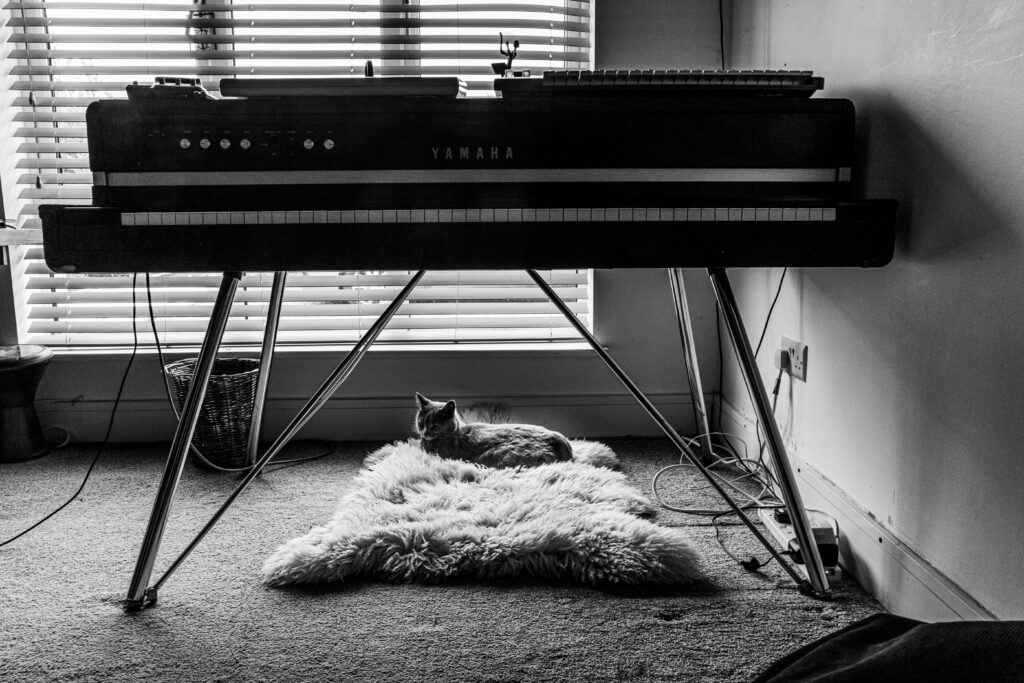
Nina really likes the vibrations from the piano. You can see the Tec 7 in the background.

The expert arrives

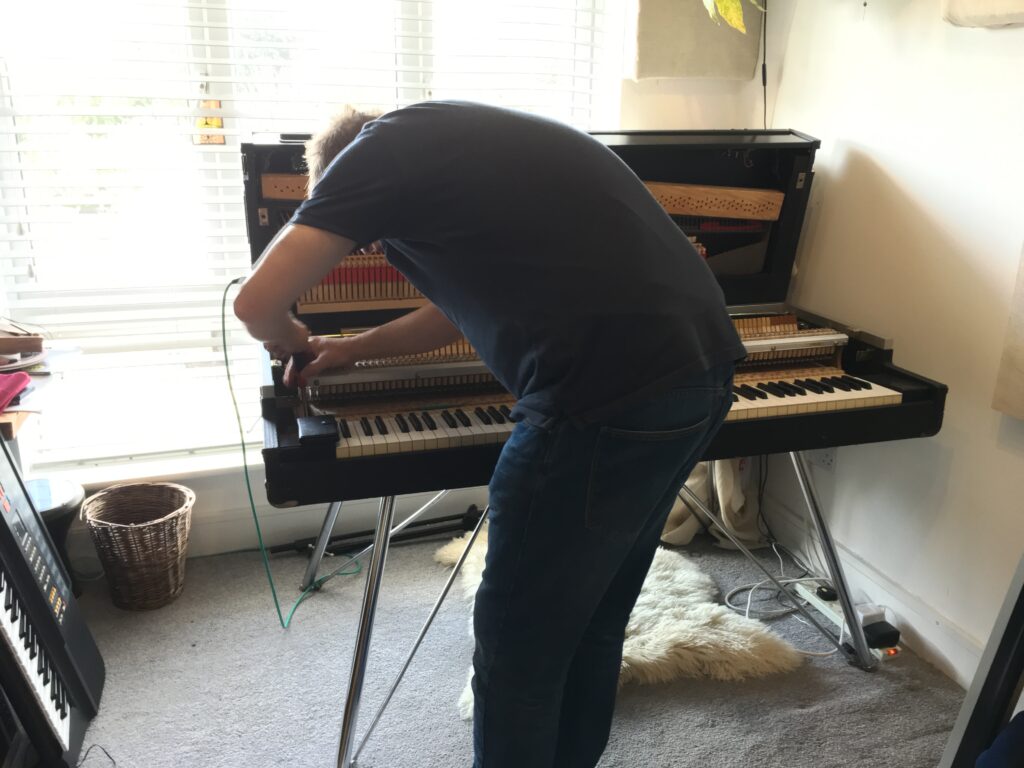
Chris, the expert at work. It really took 3 days to get everything right. Here he is just beginning regulating the action.

Since it had not been services in at least 10 years, the action had become stiff and heavy. There are about 8 hinges on each key, and a bunch of other adjustments. It’s exactly the same mechanism as a Yamaha concert grand piano. Making this work smoothly, with musical dynamics, is known as “regulating”. I briefly considered regulating the action myself. Moloney’s had a Yamaha grand that was being regulated by Chris Moore, so I went along to see how it’s done.

Within about 30 seconds of observing Chris at work I realised this is a highly skilled job best left to an expert! It was quite a nice grand piano when it had arrived at the shop- after Chris spent the best part of a day on it, it was incredible. So I asked him to do the CP80.

It’s such an inspirational instrument, I have a Zoom H2 permanently connected to the unbalanced line outputs to capture ideas. I use the balanced XLR outputs for recording in the DAW.
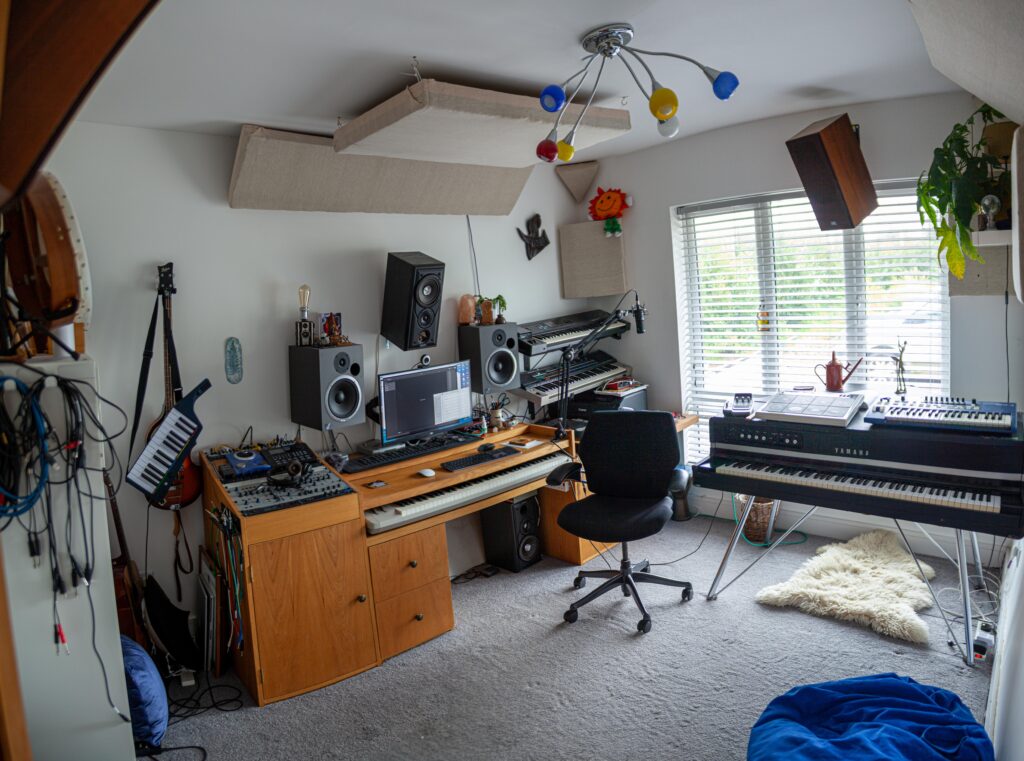
Studio re-arranged to accommodate the inspiration machine 🙂
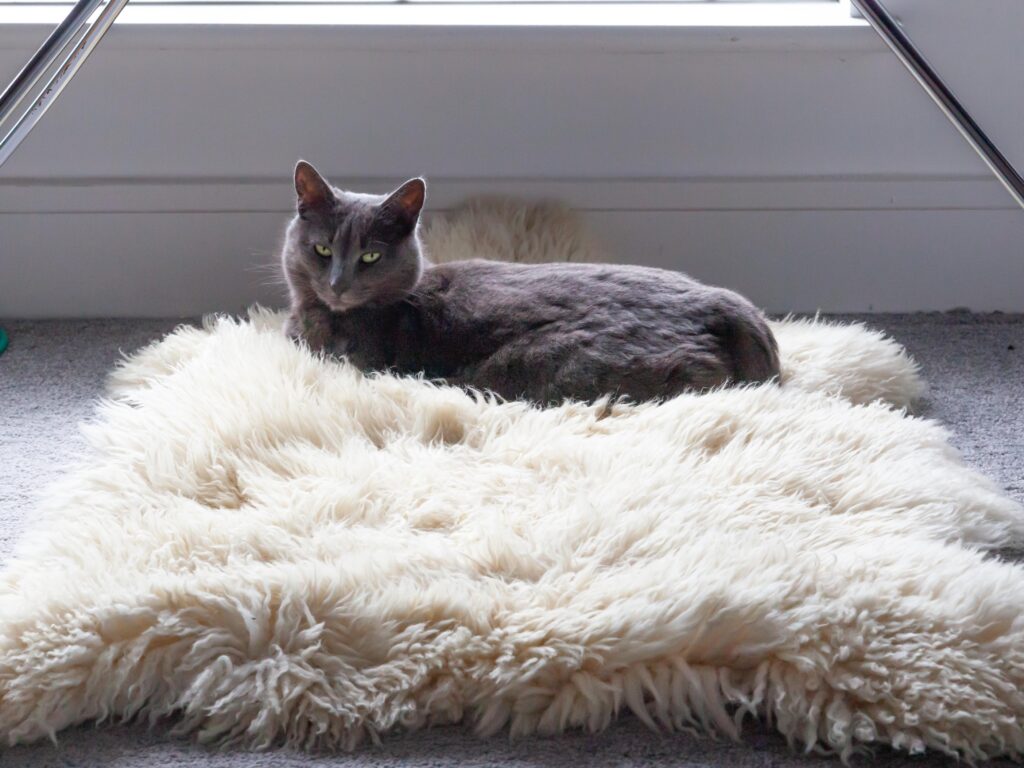
Nina loves it 🙂

What’s next?

Finally, I sourced a sustain pedal for it. I plan to release an album fairly soon. It will have lots of CP80 on it!

New album release

It’s finally here!

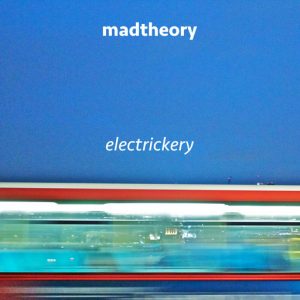
madtheory-electrickery I’m very pleased to get this released. It’s been a long time brewing. Many thanks to my friends who helped with feedback and encouragement:


Aidan O’Driscoll
Brian Dunlea
Dominic Murphy
Eoin O’Sullivan
Enda Grennan
Gary McKee
Mike Gavin
Mike Lyons
Michael O’Sullivan
Ralf Kleeman
Ronan O’Dea
Rupert MacCarthy-Morrogh

And my lovely wife Sally O’Reilly for encouragement both musical and emotional 🙂

Some of these ideas go back to 1990 when I first started to compose. I think it’s important to keep an archive of ideas and stuff to play with- play being the key word. I really enjoyed the process, with all the help and support. I hope you all can feel the same joy I felt in making this music. 🙂


[bandcamp width=350 height=786 album=519834530 size=large bgcol=ffffff linkcol=0687f5]

Also available on iTunes, Amazon, Spotify etc. etc.

BBC Radiophonics live at the National Concert Hall

I recently had the pleasure of the Radiophonic Workshop at the National Concert Hall in Dublin. This was a dream come true. When I was about 10 years old my father joined the Rory Gallagher Music Library. This holds a massive collection of recorded music and spoken word. First it was Goon Show tapes, and later the full BBC sound effects library. Essential Science Fiction Sound Effects Volumes 1 and 2 became some of my favourite albums and a major influence. 🙂 Continue reading